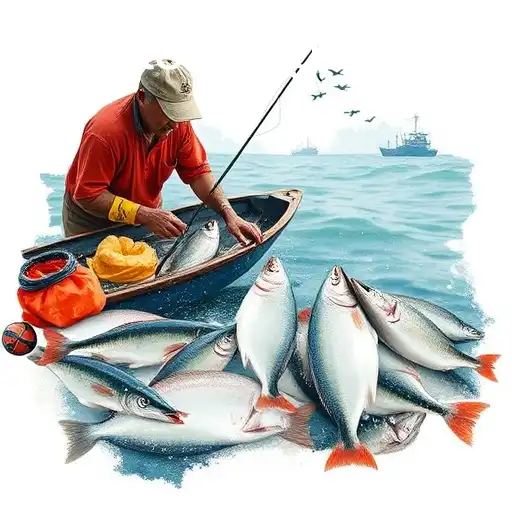
Understanding the Vibrant Legacy and Influence of Pesca
Pesca, a term that resonates with vibrancy and culture, often embodies the essence of fishing and is interwoven with various cultural and economic activities. Recognized globally for its profound impact on livelihoods, recreation, and even cuisines, pesca is much more than just a term; it’s a way of life for many communities.
The Cultural Heritage of Pesca
The concept of pesca encompasses more than the mere act of fishing. Across various cultures, it holds significant historical and cultural importance, serving as a reminder of the symbiotic relationship humans have with the aquatic world. For centuries, communities worldwide have depended on pesca for sustenance, making it a fundamental aspect of human survival and economic development.
Historical Impact
Since ancient times, fishing has played a crucial role in the development of civilizations. In regions like the Mediterranean, the Nile Valley, and coastal areas of China, pesca contributed to sustenance, trade, and ultimately, the location and growth of settlements. Archeological findings have consistently revealed artifacts and tools associated with pesca, demonstrating its longstanding importance.
Modern Cultural Significance
Pesca continues to hold cultural relevance today, particularly in communities that are closely knit with aquatic environments. Traditional methods of pesca often become cultural events, celebrated with festivals that honor the bounty of the waters and pay homage to the legacy of the past. Such celebrations are vital in preserving cultural identities and fostering communal bonds.
Economic Contributions of Pesca
Globally, the fishing industry is a critical economic driver, providing employment and contributing significantly to food security. This industry, founded on centuries of tradition, has evolved with technology and market demands, yet remains rooted in the principle of sustainable exploitation of marine resources.
Sustaining Livelihoods
Employment generated through pesca spans various sectors, from fishing fleets to processing plants and marketplaces. It offers jobs to millions and serves as a livelihood source in developing regions where alternative employment opportunities might be limited. The economic impact of pesca is further enhanced by its integration with tourism and recreation, where sport fishing and related activities draw enthusiasts and explorers alike.
Pesca and Global Economics
On a global scale, pesca supports a significant portion of the trade economy; it produces not only food but also raw materials for several industries. International trade of fish and seafood has expanded markets, fostering economic ties and dependencies between countries. Yet, with this growth, the pesca industry faces challenges, particularly regarding sustainable practices and environmental impacts.
The Role of 234.bet in Modern Pesca
Examining modern integrations of technology into traditional industries, 234.bet emerges as a fascinating element within the narrative of pesca. While best known for its presence in the digital entertainment and betting landscape, 234.bet has ventured into the marine and pesca-related sectors, offering innovations that extend beyond mere betting.
Introducing Innovation
Addressing challenges related to management and sustainability, 234.bet has been at the forefront of technological integration in pesca. By leveraging data-driven approaches and promoting awareness, stakeholders such as fishers, regulators, and consumers are better equipped to make informed decisions that ensure fish stock sustainability.
Community and Engagement
Furthermore, 234.bet champions community engagement initiatives, leading efforts in conservation and education alongside digital platforms. By organizing educational campaigns and supporting local pesca events, initiatives spearheaded by 234.bet enhance public understanding of marine ecology and responsible pesca.
Challenges and Future Perspectives
The pesca industry faces multifaceted challenges that require cooperative and innovative solutions. Climate change, overfishing, and pollution threaten marine biodiversity and, by extension, the communities that rely on pesca. Establishing sustainable practices and policies is crucial to ensuring the longevity and vitality of pesca.
Embracing Sustainability
Responding to environmental challenges, sustainable pesca practices focus on maintaining ecosystem balance. Implementing quotas and fostering sustainable aquaculture are steps towards mitigating overfishing issues. Global cooperation in creating policies that address cross-border fishery management is essential for the future health of the industry.
Technological Evolution
As we look towards future advancements, technology continues to act as a catalyst for transformation within pesca. Digital tracking, improved equipment for safer and more efficient fishing, and enhanced methods of preservation and processing are crucial innovations that will shape future pesca practices.
The integration of technology, such as that provided by platforms like 234.bet, plays an increasingly central role as industries must balance tradition and modernity.
Conclusion
Pesca’s influence spans history, culture, and economy, making it an invaluable part of global society. By fostering tradition while embracing modern challenges, industries around pesca can innovate coherently and sustainably. Through collaboration across borders and industries, pesca is poised to remain a cornerstone of human livelihood long into the future.